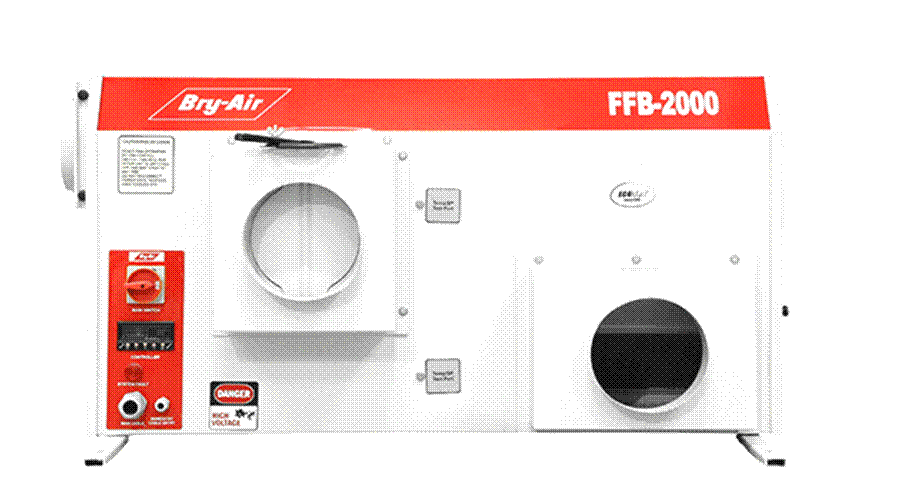
Cold Storage Dehumidifier Systems for Moisture Free Storage Facilities

Cold storage facilities play a critical role in preserving temperature sensitive products across industries such as food processing, pharmaceuticals, logistics, and agriculture. While temperature control is essential, humidity management is equally important for maintaining product quality and operational efficiency. Excess moisture inside cold storage environments can lead to frost buildup, condensation, product damage, and increased maintenance issues.
Modern cold storage dehumidifier systems help maintain low humidity conditions within cold rooms and freezer facilities. These systems support moisture free storage environments, improve operational performance, and help protect sensitive products during long term storage.
Why Humidity Control Is Important in Cold Storage Facilities
Cold storage environments naturally attract moisture because of temperature differences between indoor and outdoor air. Without proper humidity management, excess moisture can create serious operational challenges.
Problems Caused by Excess Moisture
High humidity in cold storage facilities may result in:
- Frost accumulation
- Ice formation
- Condensation on surfaces
- Product spoilage
- Reduced equipment efficiency
Proper moisture control helps reduce these issues.
Importance of Stable Storage Conditions
Controlled humidity environments help maintain:
- Product freshness
- Storage safety
- Equipment reliability
- Operational efficiency
Stable environmental conditions improve long term storage performance.
See also: What Legal Rights Do Families Have After a Wrongful Death in Colorado?
What Is a Cold Storage Dehumidifier?
A cold storage dehumidifier is an industrial humidity control system designed to remove moisture from cold rooms, freezer facilities, and temperature controlled storage environments.
These systems generally include:
- Industrial dehumidification units
- Air handling systems
- Controlled airflow technology
- Environmental monitoring systems
Cold storage dehumidifiers help maintain dry and stable storage conditions.
How Cold Storage Dehumidifiers Work
The process typically involves:
- Drawing humid air into the system
- Removing excess moisture
- Circulating dry air throughout the storage area
- Maintaining controlled humidity levels
Advanced systems operate continuously to support stable storage environments.
Benefits of Cold Storage Dehumidifier Systems
Modern dehumidification technologies provide several important operational advantages.
Reduced Frost and Ice Formation
Moisture control helps prevent frost buildup on:
- Storage surfaces
- Cooling coils
- Floors
- Equipment
Reduced frost improves operational safety and equipment efficiency.
Improved Product Preservation
Dry storage conditions help protect:
- Food products
- Pharmaceuticals
- Agricultural goods
- Sensitive materials
Stable humidity helps maintain product quality and shelf life.
Better Energy Efficiency
Excess frost and moisture may force cooling systems to work harder.
Dehumidification systems help:
- Improve cooling efficiency
- Reduce energy consumption
- Support smoother operation
Efficient humidity management lowers operational costs.
Applications of Cold Storage Dehumidifiers
Cold storage humidity control systems are used across many industries.
Food Storage Facilities
Food storage environments require controlled humidity for:
- Fresh produce preservation
- Frozen food storage
- Dairy product management
Moisture control helps maintain product quality.
Pharmaceutical Cold Rooms
Pharmaceutical facilities use dehumidifiers to:
- Protect temperature sensitive products
- Maintain storage stability
- Reduce contamination risks
Controlled environments support product safety.
Industrial Freezer Facilities
Large freezer operations require humidity control to:
- Prevent ice buildup
- Improve equipment performance
- Maintain operational safety
Reliable moisture management improves facility efficiency.
Importance of Cold Room Dehumidification
Cold room environments face constant moisture challenges due to low temperatures and frequent door openings.
Role of Air Moisture Management
Advanced cold room dehumidifier systems help:
- Reduce airborne moisture
- Prevent condensation
- Improve storage conditions
Dry environments support more efficient cold storage operations.
Benefits of Controlled Humidity
Low humidity conditions may help:
- Extend equipment lifespan
- Improve cooling system performance
- Reduce maintenance requirements
Humidity control improves overall operational reliability.
Technologies Used in Cold Storage Dehumidification
Modern cold storage facilities use advanced moisture control technologies.
Desiccant Dehumidification Systems
Desiccant technologies help:
- Remove moisture efficiently
- Maintain low humidity conditions
- Operate effectively at low temperatures
These systems are commonly used in industrial cold storage applications.
Airflow and Ventilation Management
Advanced dehumidification systems also include:
- Controlled air circulation
- Ventilation systems
- Environmental monitoring technologies
Integrated airflow management improves moisture control performance.
Factors to Consider When Choosing a Cold Storage Dehumidifier
Selecting the right dehumidification system depends on facility requirements and operational goals.
Storage Conditions
Businesses should evaluate:
- Temperature levels
- Humidity requirements
- Product sensitivity
Accurate system design improves environmental stability.
Facility Size and Airflow Needs
Storage operators should consider:
- Room dimensions
- Air circulation requirements
- Storage capacity
Proper system sizing supports efficient humidity control.
Energy Efficiency
Modern systems should support:
- Reduced energy consumption
- Optimized airflow management
- Sustainable operation
Efficient systems help lower operating expenses.
Common Mistakes Businesses Should Avoid
Improper humidity management strategies may reduce storage efficiency and product quality.
Ignoring Moisture Monitoring
Without accurate monitoring, facilities may experience unstable humidity conditions.
Monitoring systems help:
- Maintain environmental consistency
- Prevent moisture buildup
- Improve storage reliability
Continuous monitoring improves operational performance.
Poor Airflow Distribution
Weak air circulation may create uneven humidity conditions inside storage areas.
Businesses should ensure:
- Balanced airflow
- Proper ventilation design
- Stable environmental control
Efficient airflow improves dehumidification effectiveness.
Delaying Equipment Maintenance
Poor maintenance may reduce:
- Moisture removal efficiency
- Cooling performance
- System reliability
Routine servicing supports long term operational stability.
Why Cold Storage Dehumidifier Systems Continue Growing
Industries continue prioritizing advanced climate control technologies to improve storage efficiency and product preservation.
Cold storage dehumidifier systems continue growing because they support:
- Better moisture control
- Improved storage conditions
- Reduced frost formation
- Enhanced energy efficiency
- Reliable product preservation
Organizations searching for advanced dehumidifier for cold storage solutions increasingly invest in modern humidity control technologies to improve storage reliability and long term operational performance.
Conclusion
Cold storage dehumidifier systems provide facilities with an effective solution for controlling moisture and maintaining stable storage environments. Proper humidity management helps reduce frost buildup, improve product preservation, and support efficient cold storage operations.
Advanced dehumidification technologies, airflow management systems, and environmental monitoring solutions all contribute to better cold storage performance. By investing in reliable cold storage dehumidifier systems, businesses can improve operational efficiency, reduce maintenance challenges, and support long term storage reliability.