The Difference Between Water-Resistant and Waterproof Labels

A label that peels off in the fridge is more than a small annoyance. It can tank a brand’s first impression and send a customer straight to a competitor’s bottle. Australian small businesses lose sales every week because someone picked the wrong label for the job.
The terms “water-resistant” and “waterproof” get used as if they mean the same thing. They don’t. Knowing the gap between them water-resistant and waterproof labels can save your product from looking cheap on day three of a heatwave.
So What’s Actually Going On Here?
Water-resistant labels handle splashes, condensation, and brief contact with moisture. Think of a gin bottle sweating in an ice bucket at a Sydney rooftop bar, or a body lotion sitting near a steamy shower. Waterproof labels go further. They survive full submersion, repeated dunking, and long stretches in wet conditions. A shampoo bottle that lives in your shower for six months. A craft beer bottle plunged into a slushy esky for hours.
The gap between them sits in three places: the face stock, the adhesive, and the print finish.
The Material Question
Water-resistant labels usually start with coated paper or treated synthetic stock. They hold up to short bursts of moisture but break down with prolonged exposure. The print stays readable through splashes, not through a wash cycle.
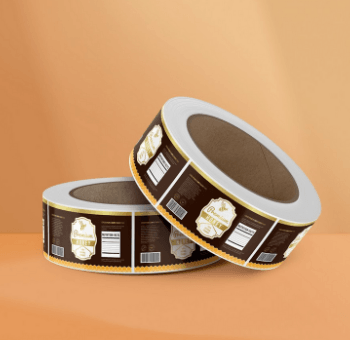
Waterproof labels HAS a glossy or matte laminate for added protection. They resist water damage and won’t shrink, curl, or peel under full submersion.
Popular waterproof stock options include polypropylene (BOPP), polyethene, and polyester. Each one resists water differently, and each suits a different bottle, jar, or tube.
Where Adhesive Matters More Than You’d Think
A waterproof face stock paired with a weak adhesive is still a failed label. Water creeps under the edges, and the whole thing lifts.
For drinks chilled in ice, the adhesive has to grip glass that drops to near-freezing while wet. For cosmetics stored in bathrooms, the adhesive faces humidity for years on end.
Acrylic-based permanent adhesives tend to hold up well on glass and rigid plastic. Cold-temperature adhesives suit products that live in fridges or freezers.
What Happens When You Pick the Wrong One
Picture this. A small NSW gin distillery launches a new bottle. The label looks lovely on the shelf. Then the bottle goes into a chilled display, condensation forms, the corners curl, and the ink starts to smudge. By the time the customer picks it up, the brand looks careless.
Now picture a skincare brand. The bottle sits on a damp shower shelf. The label was water-resistant, not waterproof. After a few weeks, the print fades, and the edges lift. The customer assumes the formula inside is just as cheap.
This is the cost of skipping the question. Not a refund. Not a complaint. A quiet decision never to buy from you again.
How to Match the Label to the Product
Ask one question before you order anything: how much water will this label actually touch, and for how long?
- Light splashes, kitchen counters, retail display: water-resistant is usually enough.
- Iced buckets, fridges, freezers, prolonged condensation: waterproof is the safer pick.
- Showers, bathtubs, near pools: waterproof, no exceptions.
If you sell beverages chilled in ice or stored long-term in cold rooms, waterproof stock with a cold-temperature adhesive is the option that survives real-world handling.
For cosmetics, lotions, and bath products, waterproof labels protect both the print and the brand. They’re made from durable materials like polyethene and use special inks that won’t run or fade, which suits cleaning products, bath products, and other items kept in wet conditions.
Where Australian Brands Tend to Slip Up
The most common mistake: buying water-resistant labels because they cost less, then losing the savings (and more) when product returns start landing.
The second mistake: assuming every “synthetic” label is waterproof. Some synthetics are only water-resistant. The face stock and the adhesive both need to be rated for full submersion if that’s where the product is heading.
See also: Branson Cabins Rentals That Pair Well With Silver Dollar City Mornings and Lake Afternoons
Sorting It Before You Order
LabEX customers upload artwork and pick stock through the website. The waterproof material options sit separately from the standard ones. Reading the spec sheet for each material takes two minutes and saves the kind of mistake that costs hundreds in reprints.
If you’re unsure which option suits your bottle or jar, order a small test print first. Test it under real conditions. Soak it. Chill it. Leave it in a humid bathroom for a week. The label that survives is the one to scale with.
What This Comes Down To
Water-resistant labels handle moisture. Waterproof labels handle water. The names sound close. The performance is not. For drinks, cosmetics, and anything that meets ice, steam, or a shower shelf, the gap shows up fast on a product that’s already on the shelf.
Pick once. Pick the one that matches how the product actually lives.