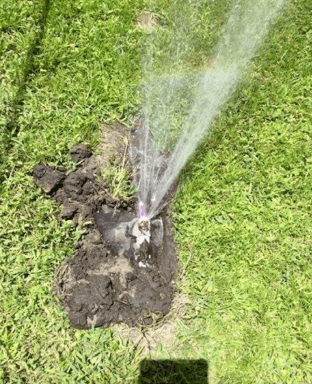
Finding A Hidden Water Leak in Your Gilbert Yard

If you have a leaky faucet, a toilet that runs on, or a water leak from your washing machine, you’ll notice it. When there’s a leak underground, it may go unnoticed for months, especially if it’s outside.
Your water system is pressurized 24/7, so when there’s a leak, it’s pumping out water and it has to go somewhere. Even a pinhole leak can waste more than 900 gallons a day. In a month, that’s enough to fill up a backyard swimming pool in a month.
Your utility bill can skyrocket, and you can experience serious structural damage to your home’s foundation if you don’t get it fixed quickly. A water leak in the yard is no small matter.
How to Find a Water Leak in Your Yard
Tree roots, the shifting Arizona soil, old pipes, broken irrigation lines — there are several ways that an underground leak can start. So, let’s look at the steps for how to find a water leak in your yard and when you need to call in a professional.
Step 1: Inspect Your Yard
If you suspect there’s a hidden water leak in your Gilbert yard, the first thing to do is walk the property and look for signs. This includes:
- Bright green patches: A single area of your lawn or desert landscaping that looks noticeably greener, taller, or more vibrant than the surrounding vegetation.
- Spongy ground or muddy puddles: Low spots, sunken soil depressions, or patches of mud in your yard when there has been no recent rain or scheduled irrigation cycle.
- Shifting pavers or cracks in concrete: Driveways, sidewalks, or backyard patios that are suddenly tilting, sinking, or showing fresh fractures due to saturated earth beneath them.
- Hissing sounds: A persistent bubbling or hissing sound coming from underground near your water supply lines
Step 2: Run a Two-Hour Meter Isolation Test
If you don’t see or hear anything, but you water bills seem way too high, the EPA recommends a two-hour test that can help you determine whether you have a leak. Follow these steps:
- Shut off your indoor fixtures, faucets, washing machines, and dishwashers and let your family members know they can’t use water for a while.
- Find your water meter box, typically near the sidewalk in front of your house, labeled “water.” Use a long screwdriver to lift the lid off the box.
- Read the dial. You can either write down the amount or take a photo with your phone. When everything’s shut off, the dial should not be moving.
- Wait two hours. During that time, make sure not to use any water or flush a toilet.
- Check the meter again and compare. If the numbers have moved or the indicator window is spinning, you have a leak.
The town of Gilbert has videos on their website of how to read the different types of water meters they’ve installed over the years.
Step 3: Pinpoint the Exterior Service Line
Now you know there’s a leak, but you still don’t know where it is. And the next part is a little harder, so you may want to call in a plumber to help.
You’ll need to find the main shut-off valve for your home’s inside water supply. That’s usually on an outside wall where the main line comes into your house. Turn the valve clockwise to stop the water flow to the inside. Once that’s done, you can check the water meter again. If the indicator is moving or the numbers continue to turn, you know you have an active water leak in the yard somewhere between the water meter and your home.
If the meter stops moving completely, your leak is located inside the house or under your concrete slab.
Step 4: Audit Your Automatic Irrigation System
If your mainline test comes back clear, the culprit is likely the leak’s part of your irrigation system. Turn your automated irrigation controller box to the manual setting and run each zone one at a time. Walk your property during the active cycle to check for cracked plastic riser pipes, missing or broken drip emitters, and subterranean bubbles where lines may have split underground.
Even a small drip irrigation line break buried six inches deep can quietly seep into the sand, mimicking a natural underground water table without ever creating a noticeable surface puddle.
See also: ShareEcard or Vistaprint: Which One Actually Updates Instantly?
When to Bring in Professional Help
If your water meter continues to tick up after completing these diagnostic steps, it’s time to call in a professional to isolate the source and recommend the options to fix the leak.
You want to work with an experienced, licensed plumbing company with highly-trained technicians who can use advanced equipment to find the source of the water leak in your yard. This might include video camera inspection, acoustic ground microphones, or tracer gas testing to find the broken pipe. Finding the exact source means less digging and landscape work once the repair is done.
If you suspect your have a water leak in the yard, contact the certified leak detection specialists at George Brazil Plumbing & Electrical today.